

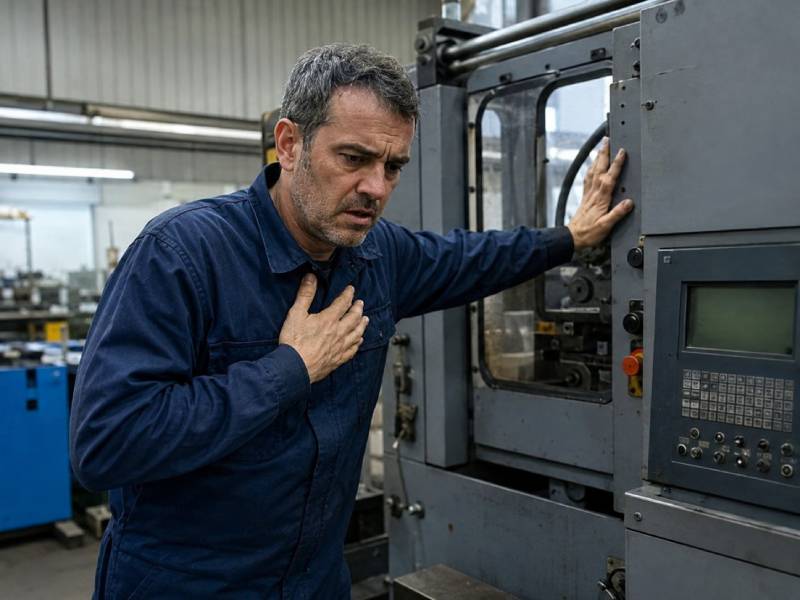
Panic attacks can appear suddenly and have a strong impact on daily life. When they occur during working hours, the fear of the crisis can be compounded by the fear of being unable to concentrate, losing control, or no longer being able to perform one’s job normally.
Tachycardia, shortness of breath, tremors, dizziness, and a sudden sense of danger can turn even a normal workday into a difficult situation to manage.
Early intervention is important. Today, panic disorders can be addressed through personalized paths that combine clinical evaluation, psychotherapy, and complementary support strategies, with the goal of reducing symptoms and progressively regaining confidence and autonomy.
Signs not to be underestimated
Among the most frequent symptoms are:
- tachycardia or palpitations;
- sense of oppression or shortness of breath;
- tremors, sweating, or dizziness;
- sudden fear of losing control;
- difficulty concentrating;
- constant fear that the attack may recur;
- avoidance of meetings, commutes, or work situations associated with the crises.
When episodes become recurrent or begin to affect personal and professional life, it is important to consult a qualified professional.
An integrated approach: intervening on multiple levels
The integrated approach does not replace conventional medicine. On the contrary, it starts with a clinical evaluation and can combine it with complementary tools chosen based on the individual’s characteristics.
1. Psychotherapy and personalized medical treatment
Cognitive Behavioral Therapy (CBT) is one of the most studied tools in the treatment of panic disorder.
It helps the person recognize the mechanisms that feed fear, interpret bodily sensations differently, and progressively break the cycle:
symptom → fear → increased anxiety → new symptom.
When necessary, the specialist may add a personalized pharmacological therapy.
The goal should not simply be to “sedate” the symptom, but to identify the most appropriate treatment considering efficacy, tolerability, daily activities, and possible effects on concentration.
Any change or reduction in pharmacological therapy must always be decided together with the doctor.
2. Biophysical support and anchoring techniques
Within an integrated path, biophysical tools and complementary sensory techniques can also be used, provided they are considered as support and not as substitutes for validated therapies for panic disorder.
A device applied to the body can, for example, also become a tactile reference point during the first signs of anxiety.
Intentionally focusing on a physical stimulus can be incorporated into grounding and sensory focusing exercises, helping the person shift their attention from the crescendo of panic sensations towards something concrete and controllable.
3. Phytotherapy and personalized preparations
Phytotherapy can also be evaluated as a complementary support, especially when stress, sleep quality, and emotional tension contribute to the worsening of overall well-being.
This does not mean relying on generic remedies or a do-it-yourself approach.
The choice of plant extracts and personalized preparations must take into account:
- pharmacological therapy already being taken;
- possible interactions;
- work activity;
- sleep quality;
- individual response;
- the need to avoid excessive sedation during the day.
Natural, in fact, does not automatically mean free of side effects or compatible with any medication.
The goal: regaining autonomy
Facing panic attacks means working not only on the crisis, but also on the fear that the crisis may recur.
A well-structured path can progressively help the person recognize the signs, acquire tools to face them, and reduce the impact of the disorder on their professional and personal life.
The integrated approach therefore starts from a simple principle: not choosing between traditional medicine and complementary supports, but building a coordinated, personalized, and monitored path around the person.
Conclusion
Panic attacks do not necessarily have to become a permanent limitation to one’s working life.
A correct clinical evaluation, psychotherapy, pharmacological treatment when indicated, and carefully selected complementary strategies can contribute to building a more comprehensive path.
The goal is not simply to stop a crisis, but to help the person regain clarity, confidence, and autonomy in their daily life.